

The Psychology Behind Casino Games: Understanding the Allure of Gambling
The world of casinos and gambling is not just a playground for chance; it’s a rich tapestry woven with psychological influences that manipulate behaviors and outcomes. For most players, the experience of playing games at places like The Psychology Behind Casino Game Design marvelbet88 is filled with excitement, tension, and anticipation. But what drives this seductive allure? In this article, we will dive deep into the psychology behind casino games, exploring the cognitive biases, emotional triggers, and various factors that enhance the gambling experience.
The Thrill of Uncertainty
One of the most compelling aspects of casino games is the element of uncertainty. The unpredictability of outcomes creates a sense of excitement that can be deeply addictive. Psychologically, this ties into a phenomenon called “variable ratio reinforcement,” which is a principle of operant conditioning. Players are rewarded at unpredictable intervals, meaning they may win big or face a loss, making the anticipation of future wins more exhilarating than the actual winning itself.
The Role of Cognitive Biases
Cognitive biases are systematic patterns of deviation from norm or rationality in judgment. In the context of gambling, several biases come into play. For example, the “gambler’s fallacy” leads players to believe that past events influence future probabilities. If someone has been losing, they might feel a win is “due,” despite each game being an independent event. This misconception often drives individuals to continue playing, compounding losses in hopes of recovery.
Another common bias is the “availability heuristic,” where individuals judge the probability of events based on how easily they can recall examples. If someone hears about a player winning a jackpot, they might overestimate their own chances of winning similarly, prompting them to keep playing long after rationality dictates they should stop.
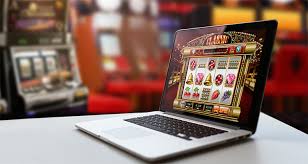
The Chaotic Environment of Casinos
Casinos are designed intentionally to be disorienting environments. The absence of clocks, the use of bright lights, and engaging sounds create a specific atmosphere that keeps players inside longer. This manipulation of the physical space activates certain psychological responses, influencing decision-making. The more time spent in these environments, the more players may engage in riskier behaviors, driven by excitement and the hope of a big win.
Emotional Triggers in Gambling
Gambling elicits strong emotions, ranging from euphoria when winning to frustration and disappointment when losing. These emotions can result in a cycle where players chase after the ‘high’ of a win, often leading to irrational decision-making. The science of affective forecasting, where individuals predict their future emotional states after decisions, plays a significant role here. Gamblers may underestimate their future distress from losses while overestimating the joy of potential wins, leading to compulsive behavior.
The Social Reinforcement Factor
Casinos are often social environments, providing a communal experience that enhances the thrill of playing. Social influence is a powerful force; seeing others win can create social proof that reinforces the desire to gamble. Players may feel a heightened sense of belonging and excitement as they share experiences with friends or even strangers, further driving engagement in gambling activities. This communal aspect contributes significantly to gambling addiction, as individuals may find it harder to resist urges when in a group setting.
Marketing Strategies and Player Engagement
Marketing plays a crucial role in shaping gambling behaviors. Casinos use sophisticated marketing strategies that leverage human psychology. Free drinks, loyalty programs, and enticing promotions are tactics designed to maximize player retention. These strategies lower the perceived cost of gambling while inflating the perceived value of potential winnings, keeping players hooked.

Moreover, game designers employ various techniques, such as “loss aversion” tactics, where the pain of losing is often less impactful than the pleasure derived from a win. This asymmetry encourages players to keep engaging, as they aim to negate the negative feeling associated with losses through further play.
The Impact of Technology on Gambling Psychology
With the rise of online casinos and mobile gaming, technology has taken the psychological aspects of gambling to new heights. Online platforms allow for constant access, which can lead to increased gambling frequency and duration. The convenience of playing from anywhere may amplify feelings of addiction since players can gamble virtually without facing any environmental limitations.
Additionally, online casinos often implement personalized experiences through algorithms that analyze player behavior, further tailoring their offerings to maximize engagement. This level of targeting can lead to increased emotional investment, making it even harder for players to pull away.
Responsible Gambling and Psychological Awareness
Understanding the psychological mechanisms behind gambling is essential for promoting responsible gambling practices. Awareness of cognitive biases and emotional triggers can help players make more informed decisions. Educational initiatives aimed at providing players with knowledge about these factors can empower them to gamble more responsibly and recognize when they may need to seek help.
Conclusion
Casino games captivate millions through a potent mix of psychological factors. From the thrill of uncertainty and cognitive biases to emotional triggers and the impact of social environments, understanding the psychology behind these gambling experiences is crucial. By recognizing these influences, players can cultivate a healthier approach to gambling, ensuring that it remains a source of entertainment rather than a path to addiction. Ultimately, while the allure of winning may always draw players in, a well-informed mindset can lead to more fulfilling and responsible gaming experiences.