
Understanding the psychological pull of gambling What keeps players coming back
The Allure of Risk and Reward
The psychological attraction of gambling lies in the thrilling combination of risk and reward. Players are often drawn to the excitement of potentially winning large sums of money, which triggers a rush of adrenaline. This phenomenon can be compared to the excitement experienced in high-stakes scenarios, as the brain releases dopamine, a neurotransmitter associated with pleasure and motivation. Moreover, experiencing the thrill helps players identify top online casinos that can enhance their gaming adventures.
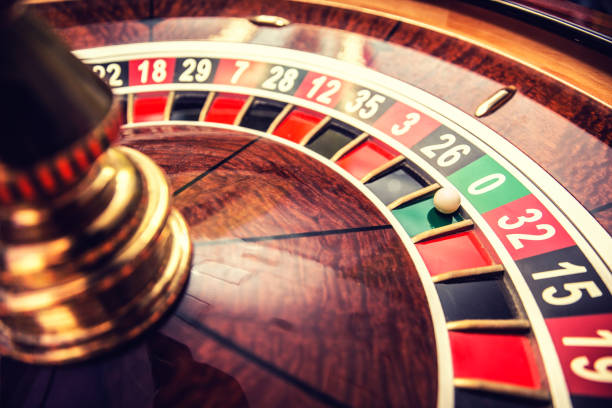
Furthermore, the uncertainty associated with gambling keeps players on edge. The anticipation of a big win can make the experience exhilarating, prompting them to return for more. The idea of “what if” fuels their gambling behavior, making each game or bet feel like a new opportunity. This cycle of hope and excitement can lead to repeated visits, as players often believe their next game might just be the one that changes everything.
The Impact of Environment and Social Factors
The environment of a casino plays a significant role in its psychological pull. Many casinos are designed with vibrant colors, engaging sounds, and enticing smells that stimulate the senses and create an immersive experience. This atmosphere not only enhances excitement but also makes it easy for players to lose track of time and money spent. The layout encourages exploration and interaction, further drawing players into the gambling experience.
Social factors also contribute to the allure of gambling. Many players find enjoyment in the company of others, whether it’s friends or strangers. The communal aspect of games like poker fosters camaraderie and a shared sense of excitement, making the gambling experience more enjoyable. Additionally, the presence of other players can enhance the feeling of competitiveness, pushing individuals to return in hopes of proving themselves or sharing in collective wins.
The Role of Cognitive Biases
Cognitive biases significantly influence gambling behavior. Players often exhibit a tendency to remember wins more vividly than losses, leading to an inflated perception of their chances of success. This selective memory reinforces the belief that they are “due” for a win, prompting them to continue gambling despite past losses. Such biases can create a false sense of control, making players believe they can influence outcomes through their actions.
Moreover, the phenomenon known as the “gambler’s fallacy” can keep individuals engaged. This cognitive bias leads players to think that past events can affect future outcomes, such as believing that a game is “due” for a win after a series of losses. This kind of thinking can prolong gambling behavior, as players may rationalize their continued play with the hope that their luck will change.
The Appeal of Escapism
Many individuals turn to gambling as a means of escapism. The act of gambling can provide a temporary reprieve from daily stressors and challenges, allowing players to immerse themselves in a world of fantasy and excitement. This escape can be particularly appealing for those experiencing personal or financial difficulties, as it offers a chance to forget their worries and dream of a better future.
Additionally, the thrill of gambling can serve as a distraction, keeping players engaged and entertained for hours. The combination of excitement, social interaction, and the chance of a life-changing win creates a compelling environment that players want to return to. The cycle of seeking refuge in gambling can become a habit, as individuals continuously look for ways to cope with their reality.

Understanding More Through Our Website
Our website delves deeper into the psychology behind gambling, offering insights and resources for those interested in understanding its complexities. By exploring the various factors that keep players returning, we aim to provide a comprehensive view of the gambling landscape. Our articles address both the excitement and risks associated with gambling, promoting informed decision-making.
We encourage readers to engage with the content, whether they are casual players or individuals concerned about gambling behavior. Understanding the psychological pull of gambling is essential for fostering healthier attitudes and habits in the gaming world. With our resources, we hope to shed light on this captivating subject and support responsible gambling practices.